Alliance Faces Pressure From Washington to Boost Defense Budgets
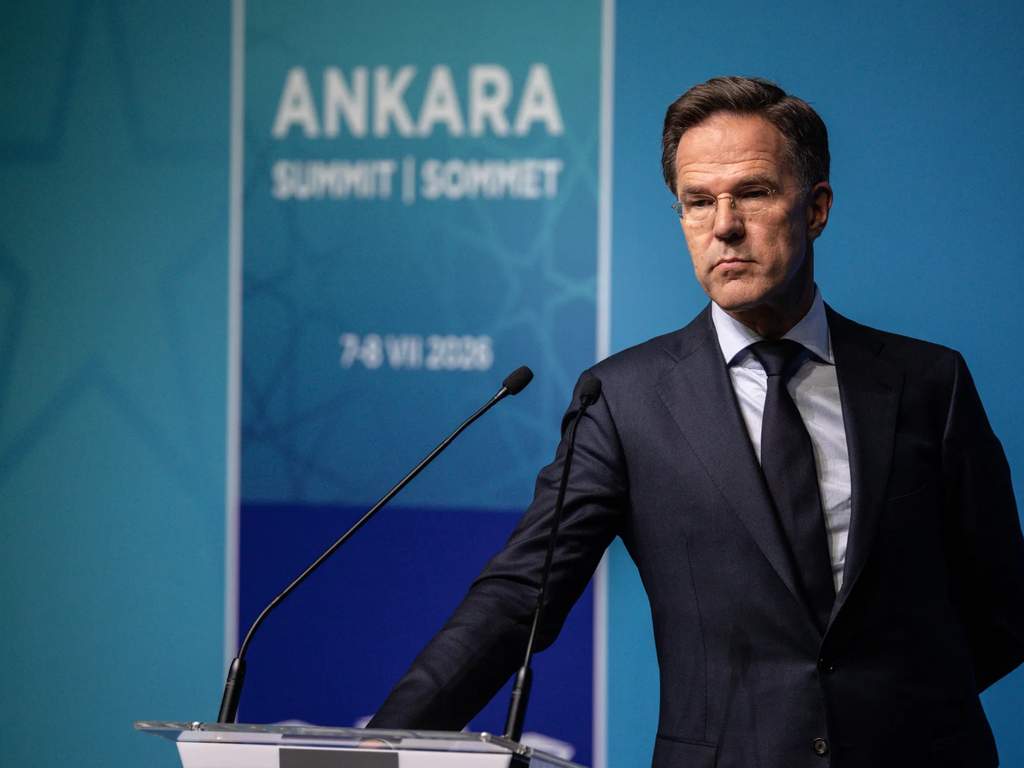
Speaking in Ankara ahead of the high-stakes two-day alliance summit, NATO chief Mark Rutte pressed member states to submit clear and credible blueprints to achieve enhanced financial goals. The mandate arrives during a pivotal geopolitical shift as the United States actively scales back its security footprint in Europe, forcing regional allies to take on a heavier portion of the collective security burden.
The push follows a landmark agreement last year where the 32 NATO nations pledged to allocate five percent of their gross domestic product toward defense. Under this framework, 3.5 percent is earmarked directly for military budgets, while the remaining 1.5 percent is dedicated to strategic infrastructure like roads and bridges to accelerate troop deployment during conflicts, though some member states are still lagging behind the previous two percent benchmark.
Read Also
The urgency is compounded by political pressure from Washington, with US Ambassador to NATO Matthew Whitaker emphasizing that President Donald Trump expects immediate compliance. Rutte noted that while European allies and Canada are projected to invest an additional $258 billion combined over the current two-year period, defense ministers are scrambling to formalize partnerships, such as a multibillion-euro naval and air defense initiative planned by the Netherlands.
Beyond financial metrics, the alliance is navigating internal diplomatic friction following friction over the utilization of European military bases during the US-Israeli conflict with Iran. Washington has increasingly tied its ongoing commitment to transatlantic defense to both financial contributions and strategic loyalty, prompting European leaders to emphasize mutual dependence to ensure long-term stability.